

What Does Barefoot Mean When Fitting Shoes?
There is a place in this world for most ideas and innovations. The key, however, is to place these into perspective. There is absolutely nothing wrong and there is likely benefit in walking some of the time in bare feet. Bare foot is particularly important when learning to walk as the nerve endings in the soles of feet assist with balance – there is truth is the old saying of ‘Finding your Feet’. Most parents, doctors and experts agree that barefoot is best for babies learning to walk. Learning to walk while barefoot, helps grow stronger muscles in the foot and doesn’t interfere with the natural, healthy walking and running gait. But to do this predominately, for the average child on the hard, unforgiving surfaces of this modern world isn’t going to do their feet any good.
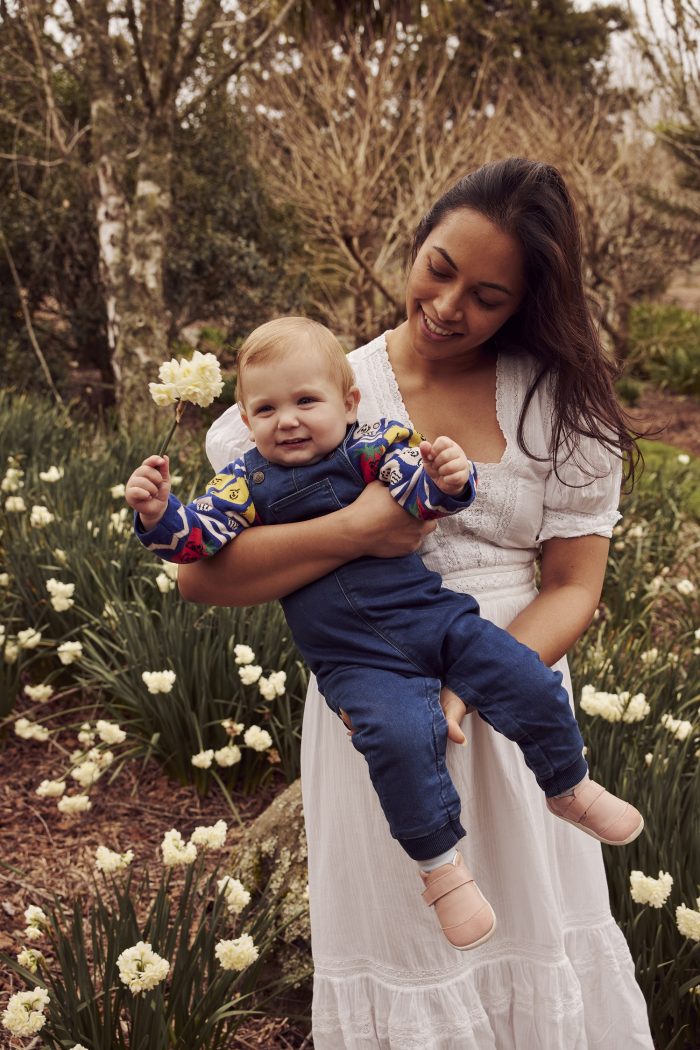
As you may remember a baby’s foot is all soft and spongy when they are born, this is because the bones start out as cartilage and it isn’t until the child reaches about 18years old that all of the constituent parts of the foot are fully developed. So it is vital, especially in the first few years of walking, but ideally until late teens that the child’s foot is not subjected to ill fitting, rigid or inappropriate shoes.
In the first few years their bones and muscles aren’t yet developed enough to support an arch, so their feet appear flat with a fatty pad where the arch will one day be. So don’t worry about your baby’s flat feet just yet – their arches will begin to develop when they’re around 2-3 years old, and you should see a normal arch in your child’s foot when they’re around 7 years old.
Over time, the foot will appear leaner, the fatty layer beneath their feet will start to disappear, their achilles will become more defined and their toes will spread. When they’re around Preschool age, children’s feet will be more dexterous with a defined arch and a leaner shape. They’re starting to look mature, not too dissimilar to an adult’s foot.
Did you know there are 26 bones, 19 muscles, 107 ligaments plus an array of delicate blood vessels, nerves and tissue fibres all working together to control the movement of each foot. Podiatrists who are members of the Society of Shoefitters have told us that an increasing number of their patients are now young adults who have foot issues caused by wearing ill fitting shoes when younger.
So what is important in shoes for Children?
There are five key elements that make a shoe comfortable: Flexibility, Adjustability, Breathability, Weight and Fit. Shoes should be designed and made to protect and guide your child, whatever stage they are at.
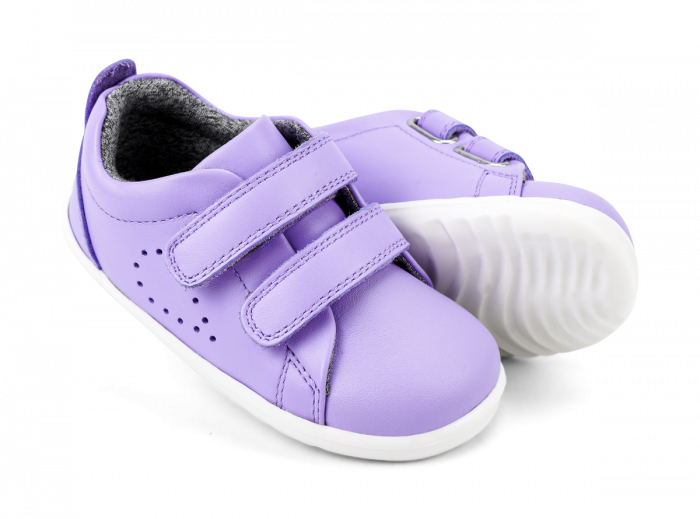
Good quality shoes consisting of a firm heel cup, a flexible sole with a good quality upper and an appropriate form of fastening (lace-up, Velcro, buckle) will keep feet protected, supported and comfortable for most day to day activities. Shoes should be shaped like children’s feet, they should have flexible, breathable leathers and knits that are lightweight, and fastenings that make them easy to wear and easy to adjust.
Shoes also need to be durable to stand up to the crazy things our kids put them through and continue to protect their feet. Soles should be slip-resistant, shock absorbing and flexible and foot shaped.
Flexible soles allow the foot and ankle to develop most naturally by enabling the foot to respond to changes in the walking environment and to make appropriate adaptations. They are recommended by podiatrists because they offer protection without being restrictive. When choosing a shoe, you should be able to bend the toe of the shoe up easily to help develop the immature muscles of the foot and the sole of the shoe should be capable of being flexed.
Children’s shoes should not impede the child’s movement in any way. Shoes that are too heavy and rigid can lead to issues with agility, tired legs or can alter their natural gait and create issues in their backs and knees.
A foot has 250,000 sweat glands, with the potential to create a quarter of a pint of perspiration every day! Inners, therefore, shoes should be made of natural materials such as leather with uppers of leather or canvas rather than plastic or imitation leather. Breathable shoes will prevent conditions such as athlete’s foot.

Children’s feet are not just a scaled down version of adult’s feet. They have a particular shape, in many cases rather like a triangle and their shoes need to reflect this. Good toddler shoes require a correspondingly much bigger toe area than the shape of an adult shoe. Wide toe boxes enable the child to wriggle their toes freely and importantly, allow their toes to spread without constriction. Not only should the toe box be wide, but the opening to the shoe should also be wide enough to enable the foot to slip in easily, without having to squeeze the toes in any way.

Comments are closed here.